Past & present
History of Gjirokaster
From ancient settlements and Ottoman administration to war, dictatorship and UNESCO recognition, Gjirokaster’s history is written into its fortress and formidable homes.
The essentials
The story behind the stone
Ottoman city
The surviving urban fabric largely reflects prosperity, hierarchy and family life from the Ottoman period.
A strategic fortress
Successive rulers expanded the citadel above a corridor connecting coast, valley and interior.
Twentieth century
Museums and memorials require context: the city experienced occupation, ideological rule and rapid social change.
Curated for your visit
A city shaped across centuries
Local context, realistic timing and visual recommendations—designed to help you decide quickly and travel better.
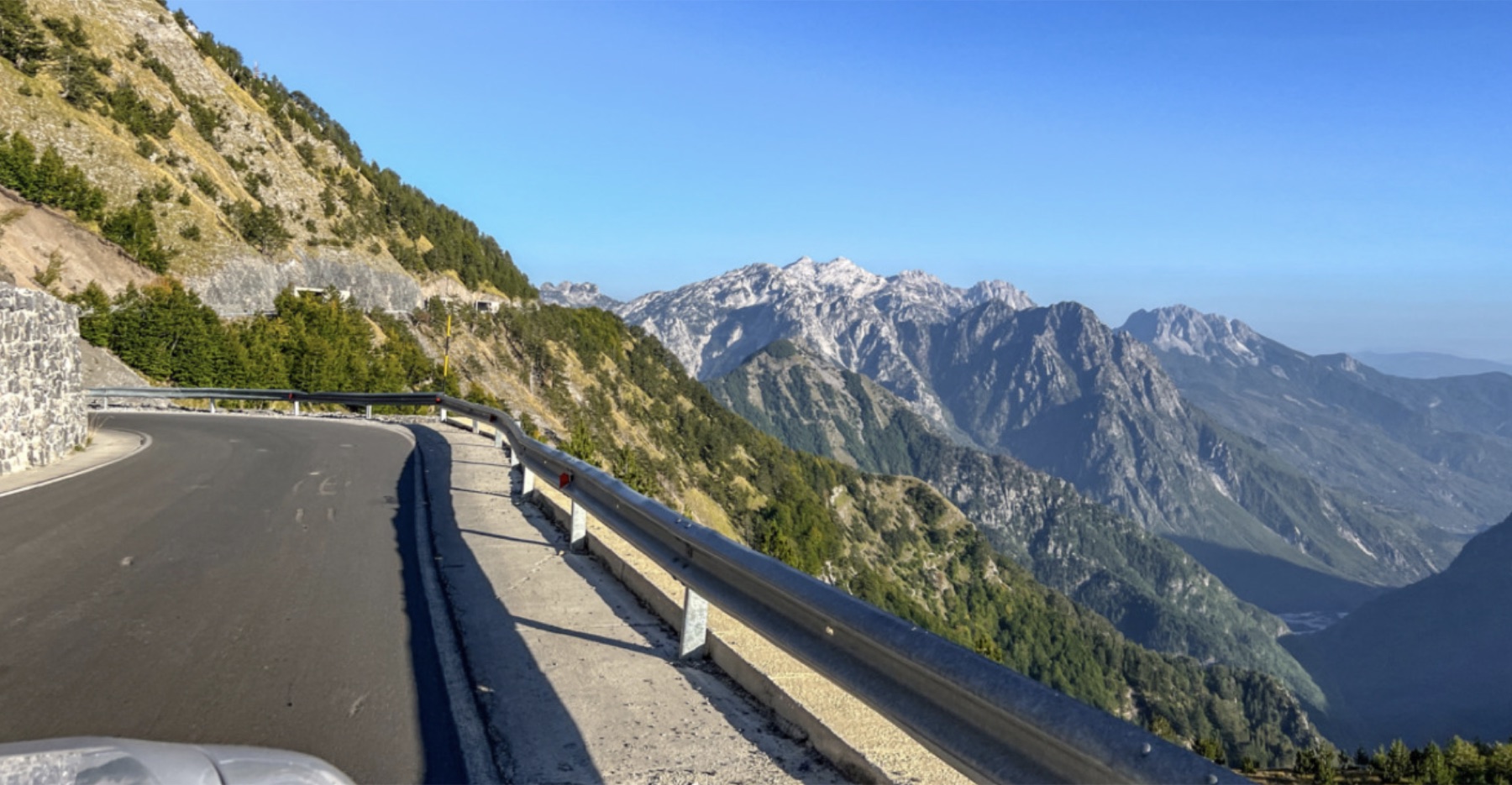 01
01Ancient valley
Antigonea and early settlement.
Explore →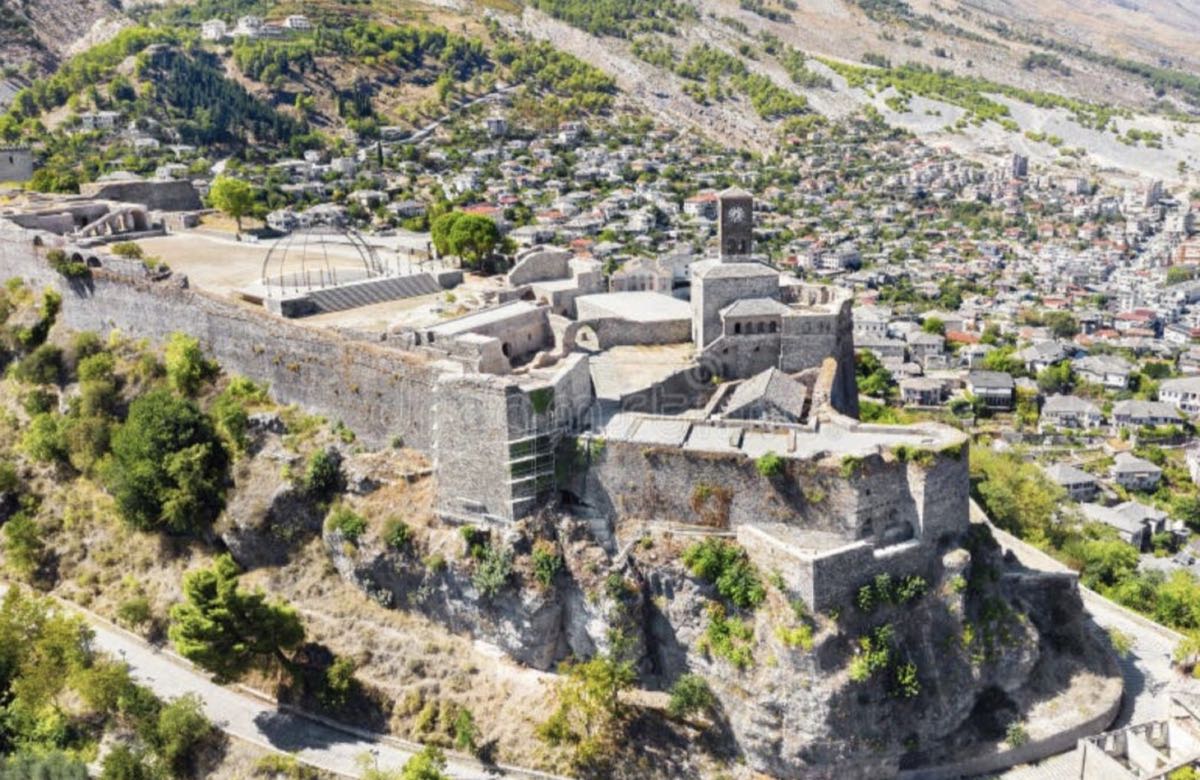 02
02Medieval fortress
Power gathers on the castle ridge.
Explore →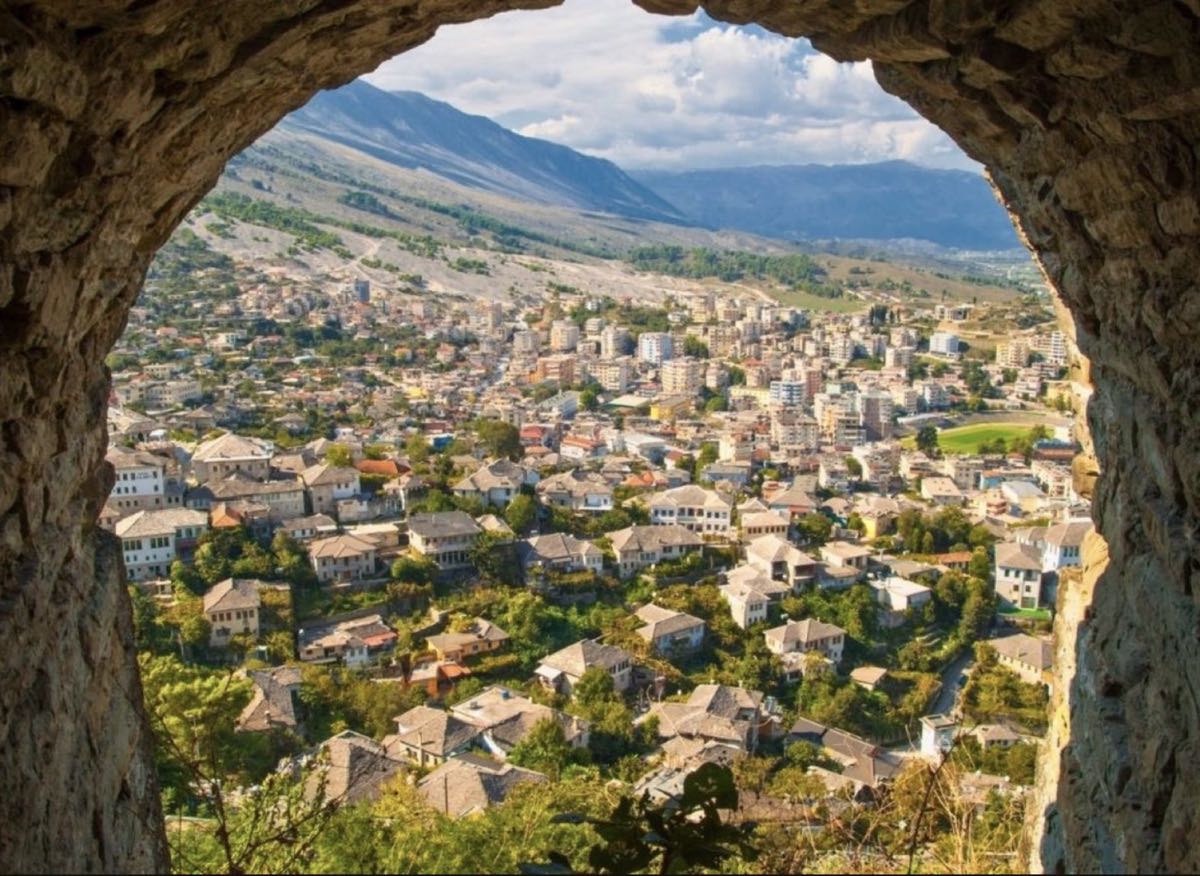 03
03Ottoman city
Tower houses and bazaar culture flourish.
Explore →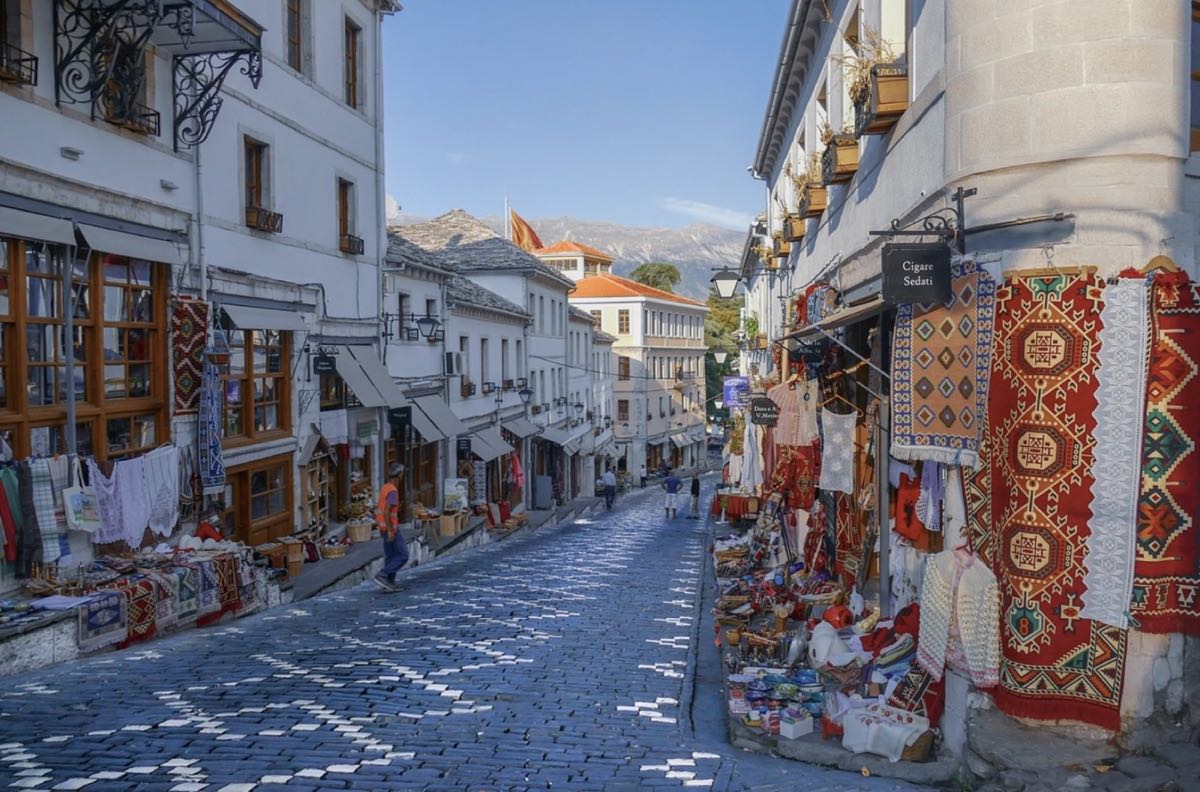 04
04Living UNESCO city
Heritage remains part of everyday life.
Explore →| Stage | What to prioritise | Continue planning |
|---|---|---|
| Ancient valley | Antigonea and early settlement. | View guide |
| Medieval fortress | Power gathers on the castle ridge. | View guide |
| Ottoman city | Tower houses and bazaar culture flourish. | View guide |
| Living UNESCO city | Heritage remains part of everyday life. | View guide |
Make it happen
See history in context
Read the skyline
Start with the castle to see how geography shaped power.
Enter the houses
Domestic architecture reveals more about daily life than dates alone.
Listen critically
Compare official displays, local guides and personal histories.
Plan by area
Group nearby stops and avoid unnecessary climbs.
Protect your time
Leave room for slow meals and changing conditions.
Check locally
Confirm seasonal hours and transport before setting out.